
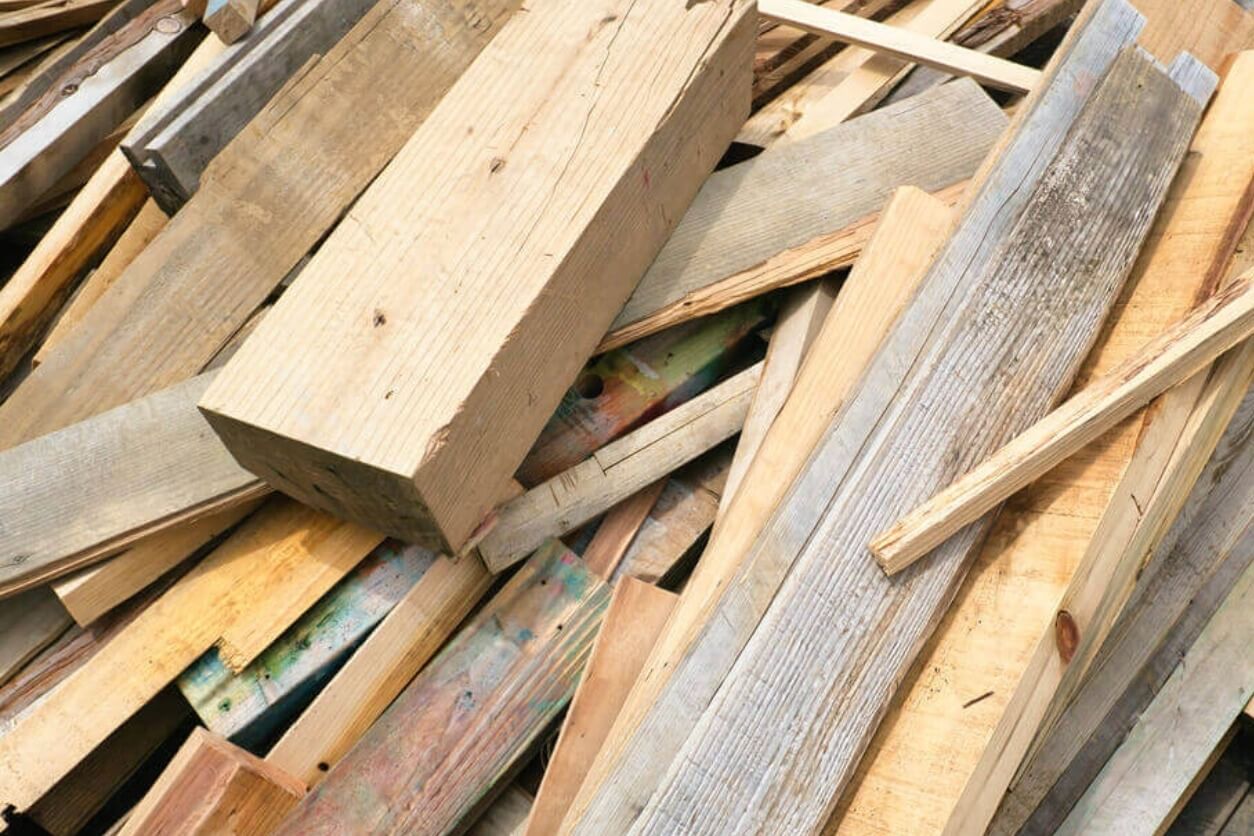
Effective management of wood waste is crucial for businesses, contractors, and communities seeking to minimize their environmental impact. Whether you’re managing construction waste, commercial waste, or debris from landscaping or furniture removal, there are effective processes and recycling services available to help recycle wood waste.
These services, often provided by waste wood management specialists, transform what might otherwise be waste into valuable resources, such as wood chips, animal bedding, or even biomass fuel. Managing wood waste sustainably not only reduces landfill contributions but also supports eco-friendly solutions and promotes a circular economy.
What Is Wood Waste and Its Types
Wood waste refers to a wide range of discarded materials generated from various activities, including construction, demolition, landscaping, and manufacturing. Common examples of wood waste include:
- Offcuts of lumber and wood from construction projects or renovations
- Broken furniture and chairs
- Pallets, crates, and other transport materials
- Treated wood or painted wood from deconstruction or remodeling
- Sawdust, wood chips, and yard debris
It is essential to distinguish between clean wood, which is untreated, unpainted, and suitable for recycling or reuse, and treated wood, which may contain wood preservatives, paint, or other contaminants. When searching for options, many businesses look for wood waste management near me to find local solutions.
Why Proper Wood Waste Management Matters
Taking an efficient approach to waste wood management provides a range of environmental and business benefits:
- Reduces Landfill Use. Landfills are limited in space and emit methane. Reducing landfill-bound solid waste conserves resources and space.
- Supports Recycling and the Circular Economy. Materials such as recycled wood, wood chips, and mulch can be reused as animal bedding, ground cover, landscaping fill, or even as biomass fuel.
- Prevents Hazardous Contamination. Treated, painted, or contaminated wood may leach chemicals, such as wood preservatives, which can pollute soil, groundwater, or clean water.
- Regulatory Compliance. Construction and commercial waste regulations require proper processing of wood waste, particularly for hazardous waste and treated wood.
- Reduces Business Costs. Recycling services and proper sorting may lower disposal fees and can generate revenue or free resources through material reuse.
Best Practices for Wood Waste Management and Disposal
To efficiently handle wood waste, follow these best practices across different stages of your project, from collection to final disposal:
Source Separation and Collection
Use dedicated containers to separate clean wood, treated wood, and hazardous materials such as painted or chemically coated wood. Store wood in a sheltered, dry location to protect it from damage, and ensure it is kept separate from other materials like dirt, sand, or gravel. Additionally, separate concrete, metal, and other construction waste to keep the quality of recycled wood high.
Sorting and Processing
Clean wood should be segregated for recycling, as it can be processed into useful products such as wood chips, mulch, biomass fuel, or animal bedding. Treated wood must be properly identified and sent to specialized waste management wood disposal services or facilities. Additionally, wood with paint, adhesives, or coatings may be classified as hazardous waste and should never be mixed with clean fill or compost.
On-Site Management and Logistics
Efficiently managing the collection of wood waste is essential, especially when handling significant amounts of commercial waste or debris, to suit the scale of the project. Coordinate regular removal and transport to recycling facilities to achieve proper disposal. Additionally, documenting all waste removal and disposal activities supports regulatory compliance and provides transparency for customers.
Recycling and Reuse Options
Recycling facilities can transform clean wood and recycled wood into a variety of products, including mulch, compost, animal bedding, and biomass fuel for energy. Some companies even offer free firewood or accept donations of suitable wood for community projects, furniture making, or landscaping.
Additionally, businesses can partner with waste management providers to facilitate the recycling and reuse of wood waste. Meanwhile, wood from demolition or old furniture can be repurposed for use in new construction, landscaping, or artistic projects.
Safe Disposal of Non-Recyclable Wood
Treated wood or wood with heavy contaminants should be disposed of at designated landfills or hazardous waste facilities, as certain centers specialize in the safe processing or destruction of these materials to mitigate environmental risks. It is important not to burn painted or treated wood, since combustion can release harmful chemicals into the environment.
When to Call Professional Help?
Handling wood waste can be complex, especially when dealing with large volumes or hazardous materials. Knowing when to seek professional assistance helps you manage wood waste safely, comply with regulations, and operate efficiently. Consider reaching out to experts in the following situations:
- Large-Scale Project Management. When managing large-scale projects with significant amounts of wood waste, professionals can provide suitable containers, regular collection schedules, and transport to authorized recycling facilities.
- Specialized Disposal for Treated Wood. If your wood waste contains treated, painted, or chemically contaminated materials, you’ll need to use specialized disposal services. This helps prevent environmental damage and ensures compliance with regulations.
- Sorting and Segregation Guidance. When unsure about sorting and separating clean wood from hazardous or mixed materials, waste management companies offer guidance and sorting services to optimize recycling and disposal. Proper segregation improves recycling rates and reduces contamination risks.
- Regulatory Compliance and Documentation. If your project requires documentation for regulatory compliance, professional services manage record-keeping and reporting, helping your business meet legal requirements. This support helps avoid fines and maintains transparency with customers and authorities.
- Maximizing Sustainability through Recycling. When you want to maximize sustainability, experts can connect you with recycling options that convert wood waste into valuable products, such as mulch, animal bedding, or biomass fuel. Their networks and knowledge facilitate eco-friendly outcomes, supporting the development of a circular economy.
- Operational Efficiency and Resource Support. If your business lacks the resources or equipment to handle wood waste disposal efficiently, partnering with a waste management company can save time and reduce operational disruptions. Professionals bring experience, manpower, and logistics expertise to manage waste effectively.
Reaching out to professional wood waste management services not only helps manage waste responsibly but also contributes to environmental protection and business efficiency.
Don’t Let Wood Waste Pile Up: Call Bunyon Bros for Hassle-Free Solutions
Wood waste management is crucial for businesses, contractors, and communities aiming to minimize waste, promote recycling, and foster a circular economy. By separating clean wood from hazardous or treated materials, utilizing recycling facilities, and collaborating with specialized disposal and recycling services, you help create valuable products from what would otherwise be waste.
Properly handled wood waste can be reused, recycled, or converted into energy, which helps to build more sustainable projects and communities.
For safe, efficient, and environmentally-friendly wood waste disposal, rely on the professionals at Bunyon Bros. We help businesses, contractors, and communities manage wood waste responsibly by complying with environmental regulations, reducing landfill impact, and supporting sustainable solutions.
Contact us today to discover how we can help you transform wood waste into a valuable resource while maintaining compliance and environmental friendliness in your operations.